
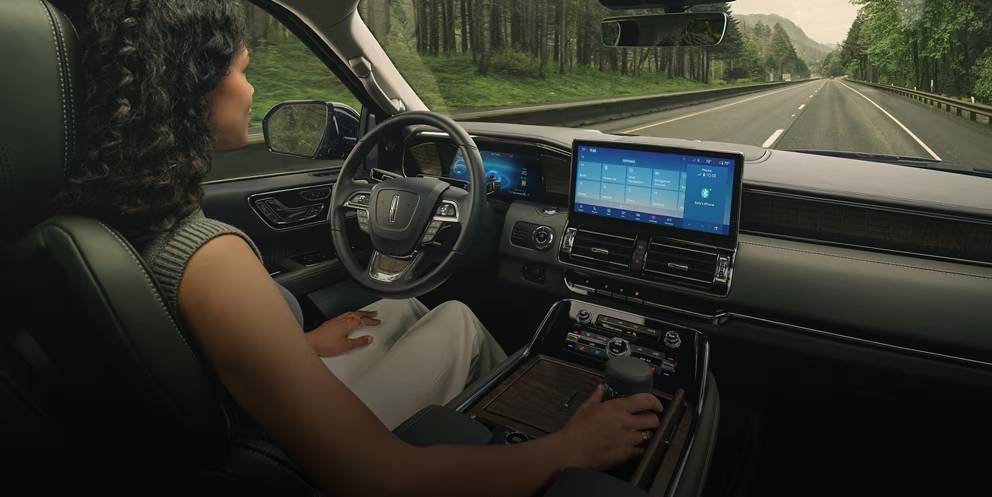
You turn off your car, step out for a moment, and when you return, your steering wheel refuses to budge. This frustrating scenario happens to countless drivers, but a locked steering wheel is usually a simple fix that takes less than a minute once you understand what's happening.
A steering wheel lock isn't a malfunction. It's actually a built-in security feature designed to protect your vehicle from theft. When you turn off the ignition and move the steering wheel, a locking pin engages within the steering column, preventing anyone from steering the car without the key. While this anti-theft system works as intended, it can catch you off guard if you accidentally turned the wheel while parked.
Why Your Steering Wheel Locks in the First Place
Your steering wheel locks as a safety feature to prevent theft and unauthorized use. This mechanism kicks in automatically when the ignition is off and the steering wheel turns, creating tension that locks the steering column. The system was designed as an effective deterrent against car thieves who might try to hotwire or tow your vehicle.
The most common trigger? You turn the steering wheel after removing the key. Maybe you leaned on the wheel while getting out, or turned it slightly while cleaning. That small movement activates the lock. A worn key can also create problems, since it may not fully disengage the lock mechanism. Cold weather makes the locking mechanism stiffer and more prone to binding, particularly if moisture has gotten into the steering column.
How to Unlock a Steering Wheel With a Key Ignition
Step-by-Step Instructions for Traditional Ignition Vehicles
Unlocking a steering wheel with a key ignition requires coordinated pressure that relieves tension on the lock mechanism. Give this method a solid 30 seconds before moving to troubleshooting:
-
Insert your key into the ignition without forcing it to turn
-
Apply gentle pressure to the steering wheel, wiggling it left and right to find where it moves slightly
-
Once you identify the direction with give, apply steady pressure in that direction while simultaneously turning the key
-
Alternate your pressure between left and right while continuing to turn the key gently if it still won't budge
You're relieving the tension holding the lock pin in place. Don't use excessive force on either the key or steering wheel. Forcing the key can damage the ignition cylinder or break your key inside the lock. The motion should feel like gentle rocking rather than forceful pulling.
Finding the Right Direction to Turn
The wheel locks at different angles depending on where it was positioned when the mechanism engaged. Test both directions with light pressure to feel which way offers any movement. The correct direction typically feels less resistant and allows a small amount of play.
Push left, and if the wheel doesn't budge even slightly, the lock is engaging fully in that direction. Switch to pushing right, and you'll likely find some give. Apply consistent pressure there while turning the key. If neither direction works after trying for 30 seconds, your issue likely extends beyond a simple steering lock.
How to Unlock a Steering Wheel on Push-to-Start Vehicles
Step-by-Step Instructions for Push-Button Ignition
Modern push-to-start vehicles use an electronic system that functions differently from traditional key ignitions, but the steering lock mechanism remains similar. Try these steps for 30 seconds before troubleshooting:
-
Make sure your key fob is inside the vehicle and has sufficient battery power
-
Place your foot on the brake pedal
-
Apply gentle pressure to the steering wheel, testing both directions to find where you feel slight movement
-
Maintain steady pressure while pressing the start button
The electronic system should recognize the key fob and disengage the steering lock simultaneously. If the steering wheel remains locked, try moving the key fob closer to the start button or touching it directly to the button. Many vehicles have a designated backup location for low-battery situations.
Check your vehicle's manual for specific instructions about key fob placement during starting issues. Some models require the fob to be in a particular location when the battery is low.
Traditional Key Ignition vs. Push-Button Start Unlocking Methods
Troubleshooting When Your Steering Wheel Won't Unlock
Key and Battery Issues to Check First
When standard unlocking techniques fail, start with the simplest solutions:
If you have a traditional key ignition:
-
Try your spare key if the primary key shows wear
-
Verify you're in Park (automatic) or have the clutch depressed (manual)
-
If spare key works, replace your worn primary key
If you have push-to-start:
-
Replace the key fob battery even if it still unlocks doors
-
Move the fob closer to the start button or use the backup slot
-
If battery replacement doesn't help, check for fob interference from metal objects or phones
Signs of a Deeper Mechanical Problem
Sometimes a locked steering wheel indicates serious problems within the steering column or ignition system. Listen for unusual noises when attempting to turn the key or start the vehicle. Grinding, clicking, or popping sounds suggest internal damage to the lock mechanism or steering column components.
If the key turns but the steering wheel remains locked, the issue likely lies within the steering column lock mechanism itself. This component can wear out over time or become damaged from excessive force. If the steering wheel unlocks but the ignition won't turn at all, you might have a failing ignition cylinder.
A steering column with zero movement in either direction suggests the lock pin has become jammed or the column has sustained internal damage. Stop trying to force it and seek professional diagnosis.
Common Mistakes That Make Unlocking Your Steering Wheel Harder
Applying excessive force ranks as the most damaging mistake. Yanking on the wheel or forcing the key can damage delicate components. The locking mechanism is designed to release with gentle, coordinated pressure, not brute force.
Many drivers skip obvious checks before attempting complex solutions. Always verify key fob battery condition, try a spare key, and make sure the vehicle is in Park. Another frequent error involves turning the steering wheel and key in competing directions. Coordinate your movements so pressure on the wheel and turning of the key work together.
Ignoring early warning signs compounds problems. If your steering wheel occasionally feels stiff or the key becomes harder to turn, address these symptoms before they get worse. Regular maintenance prevents many steering wheel lock issues from developing.
How to Prevent Your Steering Wheel From Locking Unexpectedly
Prevention starts with good parking habits. Always keep the steering wheel straight or nearly straight before turning off your engine. Avoid leaning on the steering wheel or using it as leverage when getting in or out, as these movements can trigger the lock.
Regular maintenance keeps everything functioning smoothly. Have your key inspected during routine service appointments and replace it if you notice visible wear. For push-to-start vehicles, replace key fob batteries annually rather than waiting for them to fail.
Using your parking brake properly also helps prevent unexpected locks. Engage the parking brake before shifting into Park to reduce stress on the transmission and minimize the chance of the vehicle rolling, which could move the steering wheel.
For vehicles prone to locking, consider having the steering column lubricated during service appointments. If you notice the steering wheel locking more frequently than usual, schedule a diagnostic check.
When to Schedule Service at Jim Burke Lincoln
Professional service becomes necessary when you experience persistent steering wheel locking despite correct unlocking techniques, unusual noises from the steering column, or steering stiffness while driving. These symptoms indicate potential electronic column lock failure or worn components requiring specialized diagnosis.
Schedule service at Jim Burke Lincoln to address underlying mechanical issues that DIY fixes won't resolve. Our factory-trained technicians have Lincoln-specific expertise and diagnostic tools to identify problems with worn ignition cylinders, damaged steering columns, or electronic system malfunctions.