
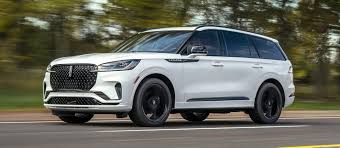
Shopping for a three-row luxury SUV often comes down to what matters most in your daily drive. At Jim Burke Lincoln, we help Bakersfield families compare the 2026 Lincoln Aviator and 2026 BMW X7 to find the right match for their lifestyle. The Aviator focuses on quiet refinement and comfort, while the X7 emphasizes athletic performance. Both deliver premium experiences but take completely different routes to get there. Explore our 2026 Lincoln Aviator inventory to experience the difference firsthand.
2026 Lincoln Aviator vs. 2026 BMW X7: Two Approaches to Luxury
The Lincoln Aviator centers on delivering a serene sanctuary with unmistakably American character. Lincoln wraps occupants in plush materials and focuses on whisper-quiet cabins over aggressive styling. This vehicle serves drivers who see their SUV as a personal retreat from hectic schedules.
BMW takes a different path with the X7, leaning into sporty dynamics and commanding road presence. The German automaker emphasizes responsive handling and powerful engines that make spirited driving feel natural. The X7's design language screams athleticism through sharp lines and an imposing grille.
These contrasting priorities create distinct ownership experiences. The Aviator shines when comfort and practicality take precedence, offering generous space and intuitive features. The X7 rewards drivers who crave engagement behind the wheel, with steering feedback and suspension tuning that prioritize handling precision.
Key Specifications Compared
Here's how these luxury SUVs stack up across critical specifications:
Powertrain & Performance
Fuel Economy (EPA Estimates)
Interior Dimensions
Cargo Capacity
The Aviator delivers 25 more horsepower and 17 more lb-ft of torque as standard equipment. You'll also get 3.2 inches more front legroom and 1.4 inches more second-row legroom.
Pricing and Overall Value
The Aviator positions itself as the more accessible entry point, typically costing thousands less than the X7's base model. This advantage goes beyond the sticker price, since Lincoln includes features as standard equipment that BMW often reserves for optional packages. Buyers seeking maximum value appreciate the Aviator's impressive luxury without extensive customization.
The X7 commands premium pricing that reflects both badge prestige and an extensive option list. BMW's approach allows deep personalization but quickly escalates costs as buyers add desired features. Matching the Aviator's standard feature set often requires several thousand dollars in additional packages.
The Aviator typically includes advanced driver assistance technologies, premium audio systems, and leather upholstery without requiring package upgrades. Lincoln's philosophy bundles features that enhance daily usability, simplifying the buying process while ensuring even base models feel genuinely luxurious.
Long-term ownership costs factor heavily into overall value. The Aviator generally presents lower maintenance expenses thanks to shared engineering with Ford's product lineup. Our service center offers certified Lincoln maintenance at competitive rates, helping manage ongoing costs. The X7's European engineering delivers sophistication but often comes with higher service bills and premium-priced replacement components.
Ride Quality and Comfort
The Lincoln Experience: Smooth and Serene
Lincoln engineers the Aviator specifically for occupant comfort across all seating rows. The sophisticated suspension system absorbs road irregularities with remarkable effectiveness, transforming rough pavement into barely noticeable disturbances. Extensive sound deadening creates library-quiet cabins even at highway speeds. Long Central Valley road trips become genuinely relaxing experiences.
Seating design reinforces Lincoln's comfort-first philosophy. The Aviator's chairs feature generous cushioning and supportive contours that reduce fatigue during extended drives. Power adjustments offer numerous positions, while heating and cooling functions maintain ideal temperatures. The second row provides adult-friendly space with ample legroom, and the third row accommodates teenagers or adults for reasonable distances.
The suspension tuning puts smooth motion ahead of sporty responsiveness. Body roll in corners feels minimal yet controlled, maintaining impressive stability. This calibration makes the Aviator feel effortlessly composed whether cruising highways or navigating urban streets.
The BMW Experience: Sport-Focused Dynamics
BMW approaches ride quality through a performance lens, balancing handling precision with comfort. The X7's suspension delivers notably firmer damping than the Aviator, transmitting more road texture into the cabin. This creates a more connected driving feel that enthusiasts appreciate, though it sacrifices some of the floating sensation Lincoln achieves.
Steering response and body control represent areas where the X7 clearly excels. Turn-in feels immediate and predictable, with minimal delay between input and vehicle response. Cornering generates less body roll than the Aviator, creating confidence-inspiring stability. These dynamics make the X7 feel more agile despite its substantial size.
The X7 remains quieter and more refined than mainstream SUVs, just not quite matching the Aviator's serene character. Second-row passengers enjoy excellent space and supportive seating. The third row feels more compromised, though, with reduced headroom and legroom making it better suited for children or short trips.
Interior Design and Passenger Comfort
Design Philosophy and Material Quality
Lincoln creates warmth through genuine wood trim, supple leather surfaces, and thoughtful ambient lighting. The Aviator's cabin feels inviting and residential, with textures chosen to create a relaxing environment. The Lincoln Embrace choreographed lighting sequence welcomes drivers with a personalized greeting. Control layouts emphasize simplicity, placing frequently used functions within easy reach.
BMW pursues a more modernist aesthetic in the X7, favoring clean lines and minimalist design. Technology integration takes center stage, with large digital displays dominating the dashboard. This appeals to buyers who appreciate advanced design and advanced interfaces. The ambiance feels sophisticated and forward-looking.
Material quality ranks high in both vehicles. The Aviator employs slightly more traditional luxury cues like French stitching and Bridge of Weir leather options. The X7 counters with exotic wood trims and unique color combinations. Personal preference determines which aesthetic resonates more strongly.
Seating Configurations and Space
The Aviator typically provides superior third-row accommodation, with meaningful headroom and legroom advantages. Families frequently transporting multiple passengers in Bakersfield appreciate this practicality. The second row slides and reclines generously, allowing customization of the balance between cargo space and passenger comfort.
The X7 offers impressive front and second-row accommodations that rival or exceed the Aviator. But third-row dimensions favor Lincoln, particularly in headroom where the X7's sloping roofline creates constraints. Both vehicles provide captain's chairs or bench seating in the second row, adding flexibility.
Technology and Connected Features
The Aviator stands out with standard Lincoln Co-Pilot360™ capability, including BlueCruise hands-free highway driving on pre-mapped routes. This advanced system reduces driver fatigue during long-distance travel while maintaining safety through attention monitoring. The technology feels mature and trustworthy.
The X7 counters with BMW's sophisticated driver assistance suite, offering adaptive cruise control, lane centering, and automated parking functions. Achieving full hands-free capability similar to BlueCruise often requires purchasing additional packages, though.
Lincoln's SYNC 4 interface focuses on straightforward operation with large icons and logical menu structures. Voice commands handle many functions effectively, reducing driver distraction. The system integrates smartphone connectivity seamlessly through wireless Apple CarPlay and Android Auto. BMW's iDrive system offers deeper customization though the learning curve feels steeper initially.
The Aviator typically includes larger standard touchscreen displays and the Revel® 3D audio system without requiring upgrades. The X7 offers premium Bowers & Wilkins® audio as an option that delivers extraordinary sound quality for enthusiasts. Wireless device charging, WiFi hotspots, and over-the-air software updates appear in both vehicles.
Powertrain Options and Efficiency
The Aviator's standard Twin-Turbo 3.0-liter V6 produces robust 400 horsepower, moving the substantial SUV with surprising authority. The engine provides smooth, refined power delivery with minimal turbo lag. This powertrain actually generates more horsepower than the X7's base engine, giving Lincoln a performance advantage at lower price points.
BMW offers multiple engine choices in the X7, starting with a TwinPower Turbo inline-six and progressing through more powerful variants. The base engine delivers adequate performance though feels less energetic than the Aviator's standard mill. The X7 also offers a plug-in hybrid variant for buyers prioritizing efficiency and electric driving capability.
Both transmissions prove excellent. The Aviator employs a 10-speed automatic that shifts smoothly and selects appropriate gears intelligently. The X7's eight-speed automatic feels similarly refined. Both include sport modes that hold gears longer and sharpen throttle response.
According to EPA estimates, fuel efficiency remains competitive between the models in comparable configurations. The Aviator's standard engine achieves respectable efficiency for a luxury SUV of its size. The X7's base engine offers slightly better city ratings though real-world differences prove minimal.
Which Luxury SUV Is Right for You?
We believe the decision hinges on priority alignment. Buyers valuing comfort, quiet cabins, and strong standard equipment at accessible prices find compelling reasons to choose the Aviator. This Lincoln delivers genuine luxury without requiring extensive customization. Families needing practical three-row seating appreciate the superior space and livability Lincoln provides.
The X7 attracts different priorities. Drivers seeking engaging dynamics and sporty handling gravitate toward BMW's performance-focused execution. The prestige associated with the BMW badge matters to buyers for whom brand perception influences decisions.
Budget considerations often prove decisive. The Aviator typically costs less initially and maintains lower long-term ownership expenses. This financial advantage creates room in budgets for other priorities or simply represents smarter value.
Test driving both vehicles proves essential before committing. Contact our team at Jim Burke Lincoln to schedule a test drive and experience the Aviator firsthand. Understanding your reactions during real-world driving eliminates guesswork from this significant purchase.
Frequently Asked Questions
Which SUV offers better reliability? The Aviator generally benefits from simpler engineering and shared components with Ford's broader lineup, typically resulting in lower repair frequencies and more affordable fixes.
How do maintenance costs compare long-term? Lincoln ownership typically proves less expensive due to wider parts availability and lower labor rates. BMW maintenance requires specialized knowledge and premium-priced parts, increasing routine service costs.
Which vehicle holds value better? Luxury SUV depreciation affects both models, though BMW's brand prestige sometimes supports slightly better resale values initially. The Aviator's lower starting price means fewer absolute dollars lost to depreciation, though.
Can either vehicle tow effectively? Both SUVs offer respectable towing capacities suitable for boats or trailers. The X7 provides higher maximum towing ratings at 7,500 lbs compared to the Aviator's 5,000 lbs when properly equipped.
Which offers better warranty coverage? Warranty terms vary by model year. Lincoln historically offers competitive warranty periods with roadside assistance, while BMW includes maintenance coverage for initial ownership years.